
July 26, 2026
What Is an HMO? The Definition Explained
By
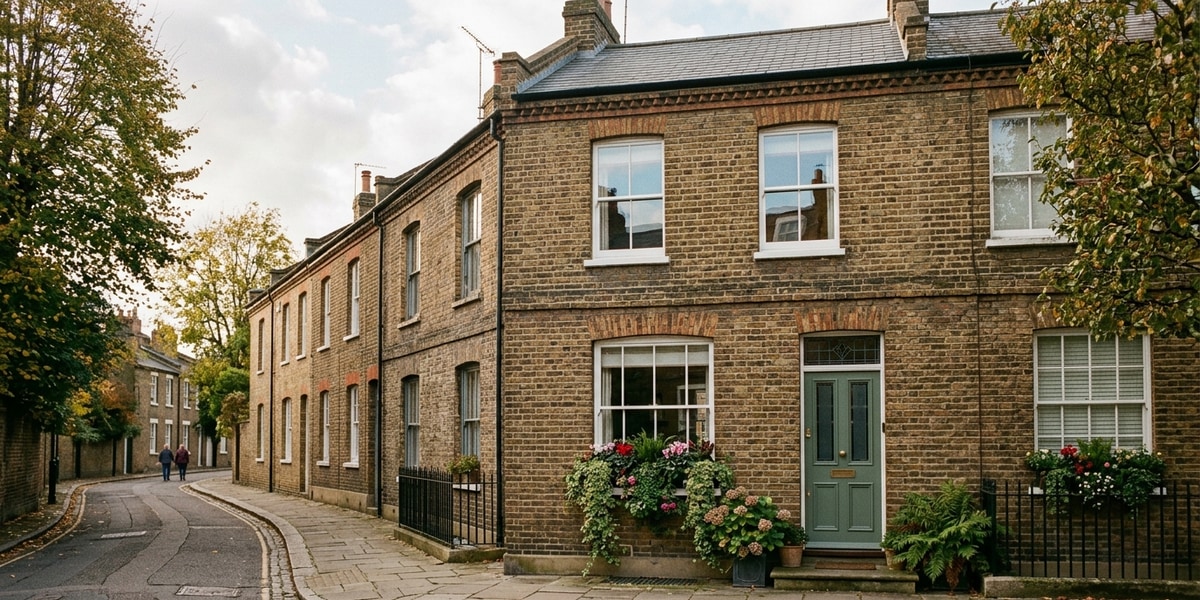
What is an HMO, and does your property count as one? An HMO, or house in multiple occupation, is a property rented out to three or more people who are not all from one household and who share facilities such as a kitchen or bathroom. It sounds simple, but the definition carries real weight: the moment a let becomes an HMO, a different set of rules on licensing, room sizes, fire safety and management applies, and the penalties for ignoring them are severe. This guide answers what is an HMO in plain terms, explains the household test that decides it, and shows how to tell whether you need a licence before pointing you to the London-specific detail.
In Short
The HMO definition at a glance
- An HMO is a home shared by three or more tenants forming two or more households.
- A household is a single person or members of the same family living together.
- Sharing a kitchen, bathroom or toilet with people outside your household is the usual trigger.
- A large HMO of five or more people always needs a mandatory licence; smaller ones may too.
- HMO status brings extra duties on room sizes, fire safety and management.
What is an HMO: the definition
To answer what is an HMO precisely, the law looks at three things: how many people live there, how many households they form, and whether they share amenities. A property is an HMO if it is occupied by at least three tenants forming more than one household, and those tenants share a kitchen, bathroom or toilet. If five or more people from two or more households live there, it is a large HMO and always requires a licence. The gov.uk houses in multiple occupation guidance sets out the definition, and it is the same starting point every council uses before applying its own local schemes.
The household test that decides it
The word doing the heavy lifting in the definition is household. A household is one person living alone, or a group of people who are all members of the same family, including couples, relatives and certain domestic staff. Three friends sharing a flat are three households. A couple and a lodger are two households. A family of five is a single household, which is why a large family home is not an HMO however many people live in it. The test matters because it is the number of households, not just the number of people, that turns an ordinary let into an HMO with all the duties that follow.
Do I need an HMO licence?
Not every HMO needs a licence, but many do, and the answer depends on size and location. A large HMO, meaning five or more people from two or more households, needs a mandatory licence anywhere in England. Smaller HMOs of three or four sharers may also need one where the local council operates an additional licensing scheme. Because those schemes are set locally and vary from borough to borough, a property that needs no licence in one area may need one next door. For the full picture of how the three licence types work across the capital, our guide to HMO licensing London covers mandatory, additional and selective licensing and the Article 4 planning layer.
HMO licence types at a glance
- Mandatory licence: required across England for any large HMO of five or more people from two or more households.
- Additional licence: introduced locally to cover smaller HMOs, typically three or four sharers, that fall outside the mandatory scheme.
- Selective licence: covers all or most private rentals in a designated area, whether or not they are HMOs.
A licence lasts up to five years and comes with conditions the landlord must meet throughout, so identifying the right category early is what keeps a shared let lawful from day one.
The extra duties an HMO brings
Once a property is an HMO, a landlord takes on obligations that a single-family let does not carry. These include minimum room sizes for sleeping accommodation, adequate kitchen and bathroom provision for the number of occupiers, stricter fire-safety measures such as alarms and fire doors, and specific management responsibilities under the HMO management regulations. Where the property sits in a licensed category, those duties are backed by licence conditions, and failing them can cost the licence as well as bringing penalties. Our detailed look at Greenwich HMO rules and regulations shows how these standards apply in one London borough and gives a sense of the level of detail involved.
How AIHPG approaches this
At AIHPG, we treat the HMO question as the first thing to settle, not the last. Before a shared let begins we confirm whether the property meets the HMO definition, whether it falls into a licensable category in its borough, and what room-size, amenity and fire-safety standards apply, so nothing is discovered too late. Because we manage the tenancy continuously, the management duties an HMO carries are simply part of how we run the property, and the landlord is never left to interpret the household test or track a licence renewal alone.
You can see how it fits across our property management service, our service bundles, and the wider Included Difference.
Frequently asked questions about what is an HMO
What is an HMO?
An HMO, or house in multiple occupation, is a property rented to three or more people who form more than one household and who share facilities such as a kitchen, bathroom or toilet. If five or more people from two or more households live there, it is a large HMO. The number of households, not just the number of people, is what defines it.
What counts as a household in an HMO?
A household is a single person living alone or a group of people who are all members of the same family, including couples and relatives. Unrelated sharers each count as a separate household, so three friends renting together form three households. A family living together, however large, counts as one household and so is not an HMO.
Does every HMO need a licence?
No. A large HMO of five or more people from two or more households always needs a mandatory licence in England. Smaller HMOs of three or four sharers need a licence only where the local council has an additional licensing scheme in place. Because these schemes are set locally, the requirement depends on the property's borough and exact location.
What is the difference between an HMO and a normal tenancy?
A normal tenancy is a property let to a single household, such as one person, a couple or a family. An HMO is shared by people from more than one household who share facilities. The distinction matters because an HMO brings extra legal duties on licensing, room sizes, fire safety and management that a single-household let does not.
How many tenants make a property an HMO?
Three or more tenants who form two or more households and share amenities make a property an HMO. At five or more occupiers from two or more households it becomes a large HMO requiring a mandatory licence. Below three occupiers, or where everyone belongs to the same household, the property is not an HMO.
What extra rules apply to an HMO?
An HMO must meet minimum room sizes for sleeping accommodation, provide adequate kitchen and bathroom facilities for the number of occupiers, and satisfy stricter fire-safety requirements such as alarms and fire doors. Landlords also have specific management duties under the HMO management regulations, and licensable HMOs must comply with their licence conditions throughout.
This guide is general information for landlords, not legal advice. HMO definitions, licensing and standards can change and are applied locally; check the current position with the relevant council, and for your specific situation take professional advice.
Related Posts.
Contact Us
Stay in touch.
Have a query or interested in our services? Contact us